
Machines
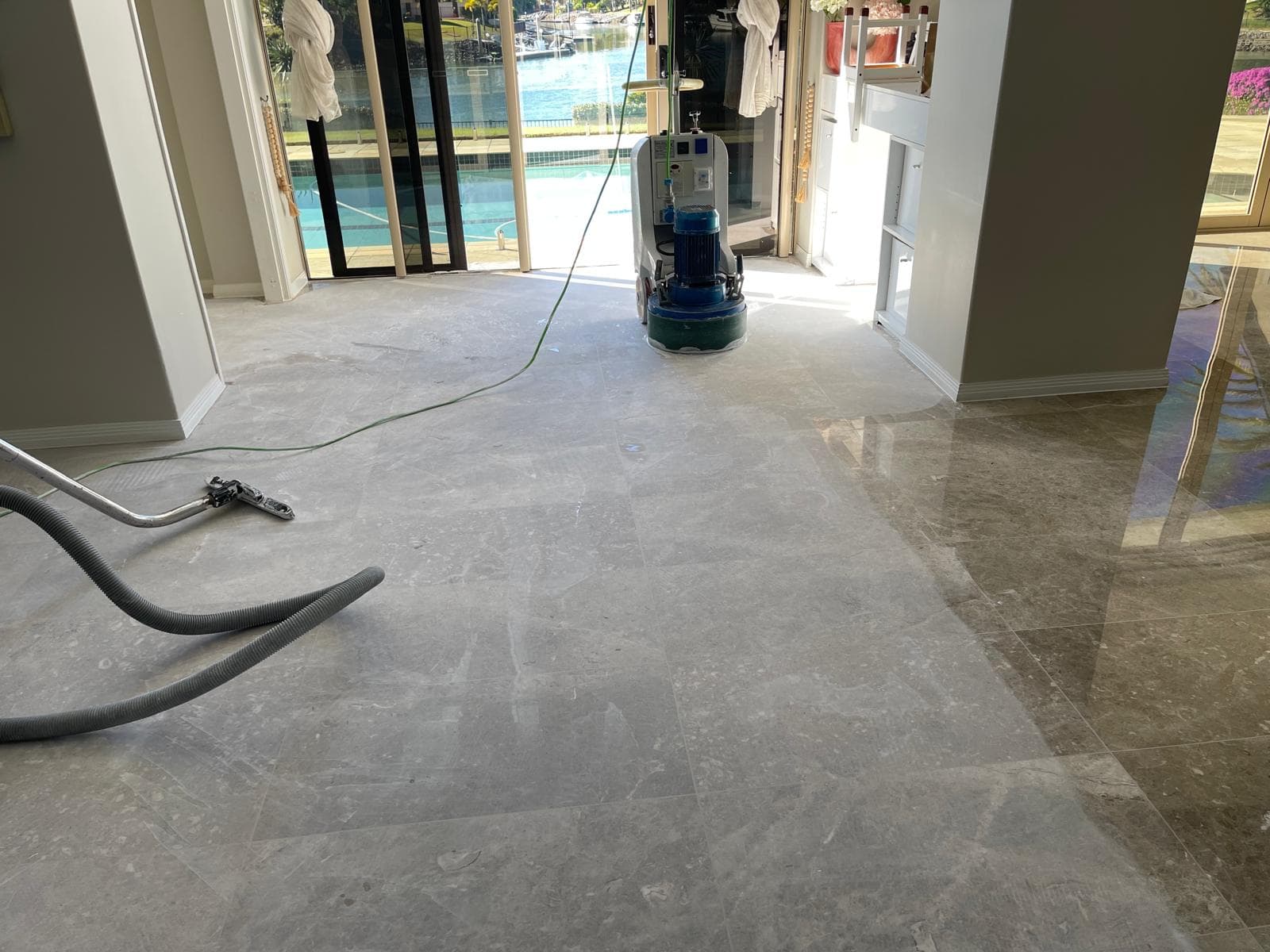
Floor grinding and polishing machines
Planetary and rotary machines for grinding, honing and polishing stone and concrete floors, and how to choose between them.
A floor machine is the single largest determinant of what a restoration crew can take on. Head configuration, weight and power delivery decide whether a floor can be levelled at all, and how many passes it takes to get there.
The distinction that matters most is between planetary machines, where satellite heads counter-rotate under a driven plate, and single-head rotary machines. Planetary machines track flatter across a large floor and resist the tendency to follow existing undulations. Single-head machines are more manoeuvrable and often the only option in tight residential spaces.
What it is used for
- Removing lippage and levelling stone that was laid unevenly
- Cutting back scratched, etched or worn surfaces to fresh stone
- Progressive honing through grit stages to a specified finish
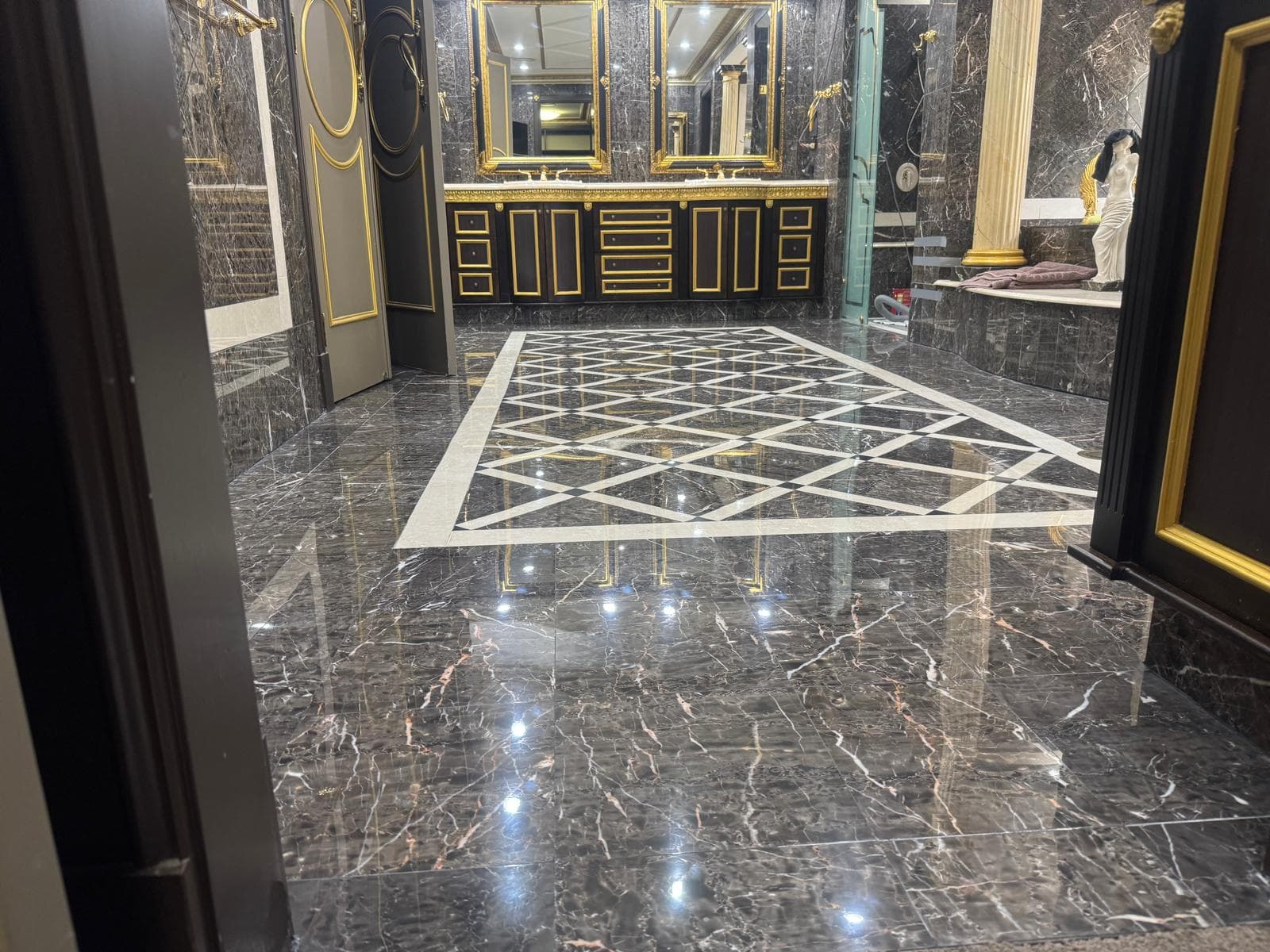
- Mechanically polishing marble and limestone without topical coating
- Grinding concrete substrates prior to a new floor covering
How to choose
The decisions that actually change the outcome, rather than the specifications that are easiest to compare.
- Weight and head pressure
- Cutting rate depends far more on head pressure than on motor power. A heavier machine cuts faster and flatter on hard stone, but becomes unusable on upper floors without lift access and can be too aggressive on thin or friable material.
- Planetary versus single head
- Choose planetary for large open floors where flatness is the goal. Choose single head for bathrooms, stairs and rooms with tight returns, where a large machine simply cannot reach the work.
- Wet or dry capability
- Wet grinding suppresses silica dust and extends tooling life; dry grinding with extraction is faster to set up and avoids slurry handling in occupied buildings. Machines differ in how well they do each, and most jobs need both.
- Power supply reality
- Three-phase machines outperform single-phase on hard stone but are useless if the site cannot supply them. The available supply at the actual job site should be confirmed before any machine decision is made.
What it will not do
- No floor machine reaches the perimeter; edge work needs separate hand tooling
- Larger machines cannot be carried up stairs safely by one operator
- Grinding cannot correct a floor whose substrate is moving or failing
Where this sits in the process
Equipment only makes sense in the context of the stage it belongs to.
Tell us what you work with
Recommending the right tooling depends on the stone you work on and the finish you sell. Send those details and we will advise on what actually suits the work.