Restoration
Stone restoration, organised by the problem you have
Grinding, honing, polishing and sealing are stages of one method, not separate services. Start from what the stone is doing and the right work follows from there.
What we restore
Choose the surface, not the technique
Every one of these begins with an assessment, because the same symptom can have several different causes and each needs different work.
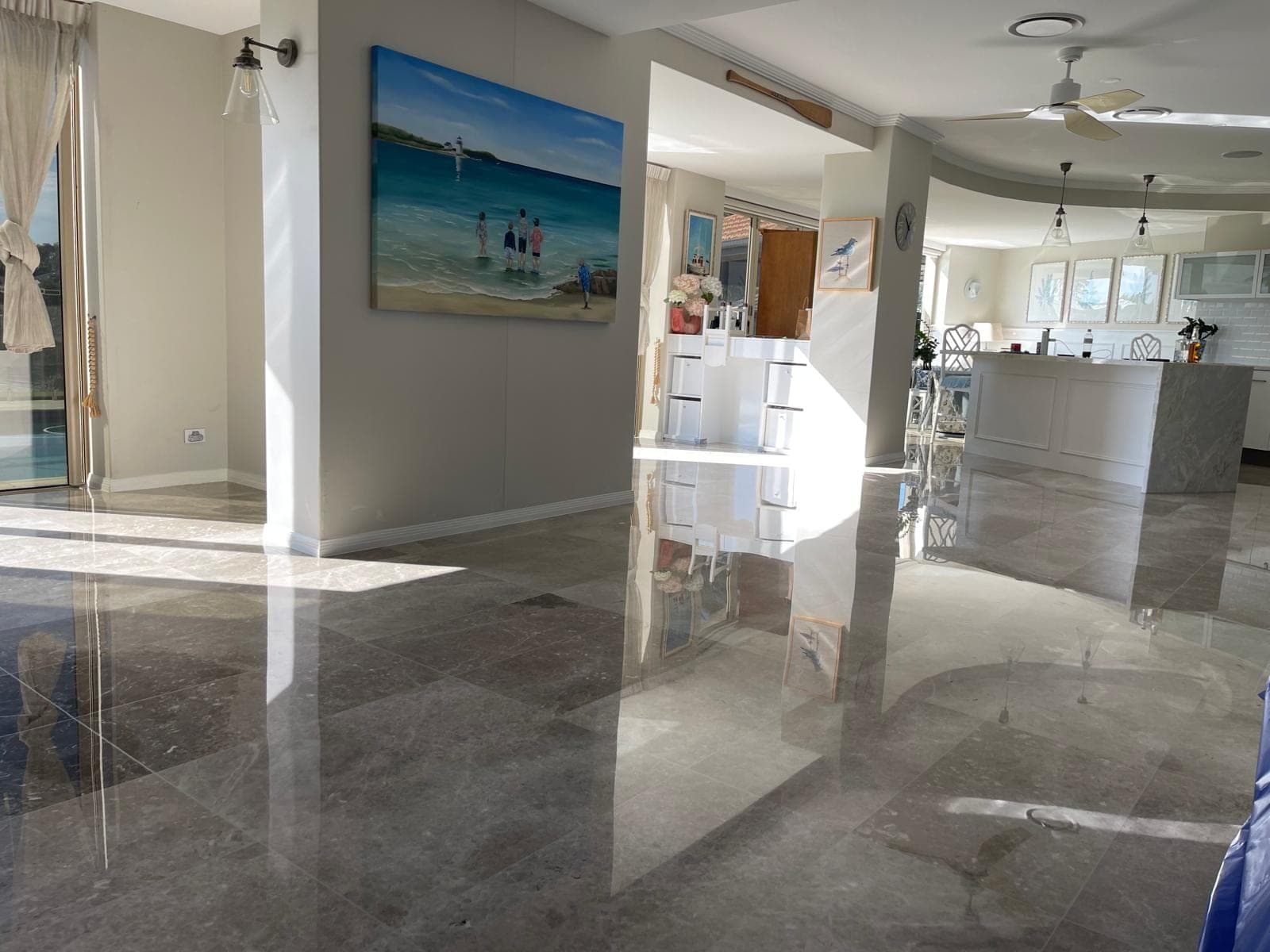
Floor Restoration
Stone floors levelled, refined and finished on site. The finish is the stone itself, not a coating laid over it.
Read more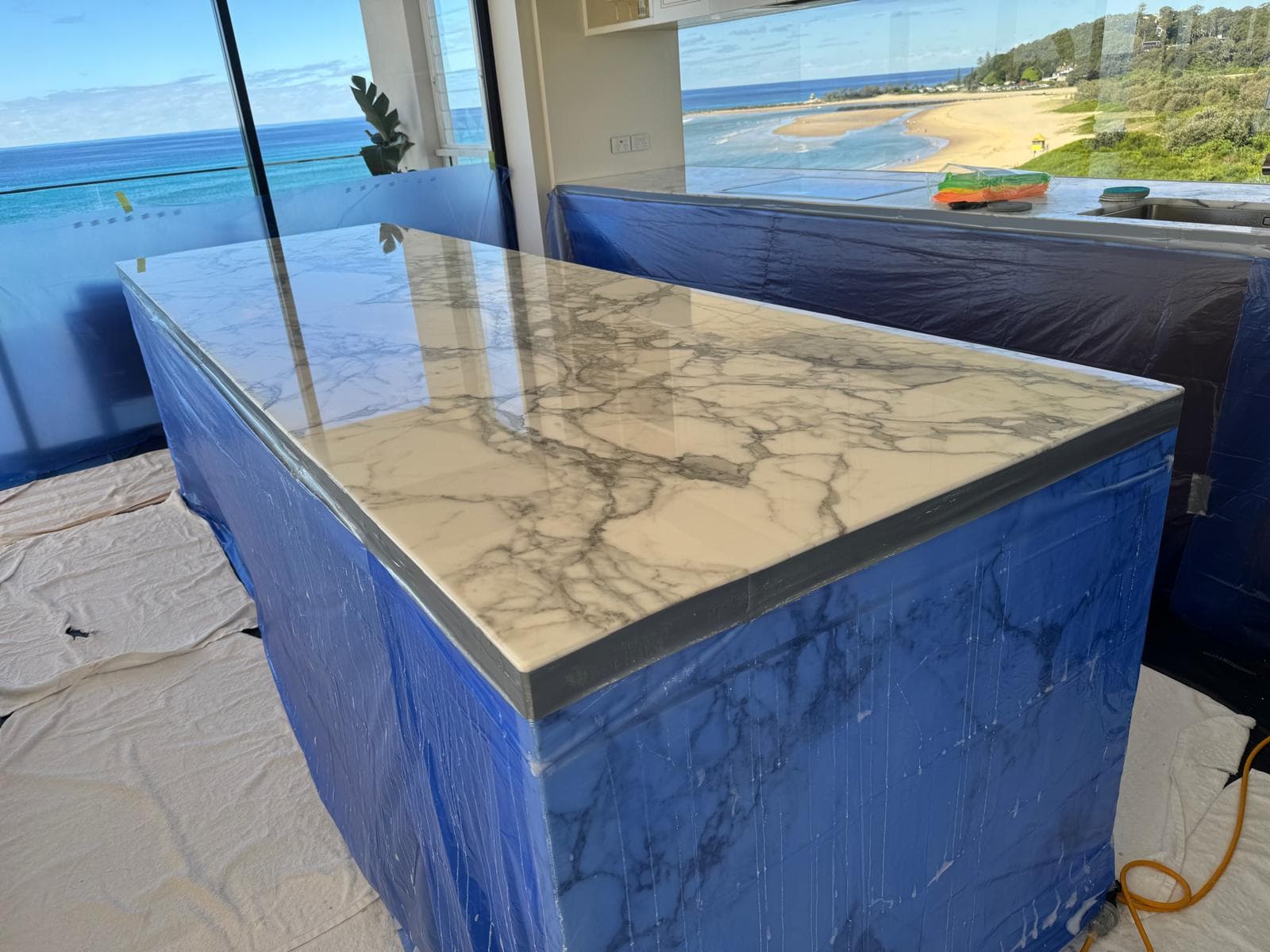
Benchtop Restoration
Kitchen islands, bar tops and vanities re-finished in place. Etching, dulling and chipped edges corrected on the stone itself.
Read more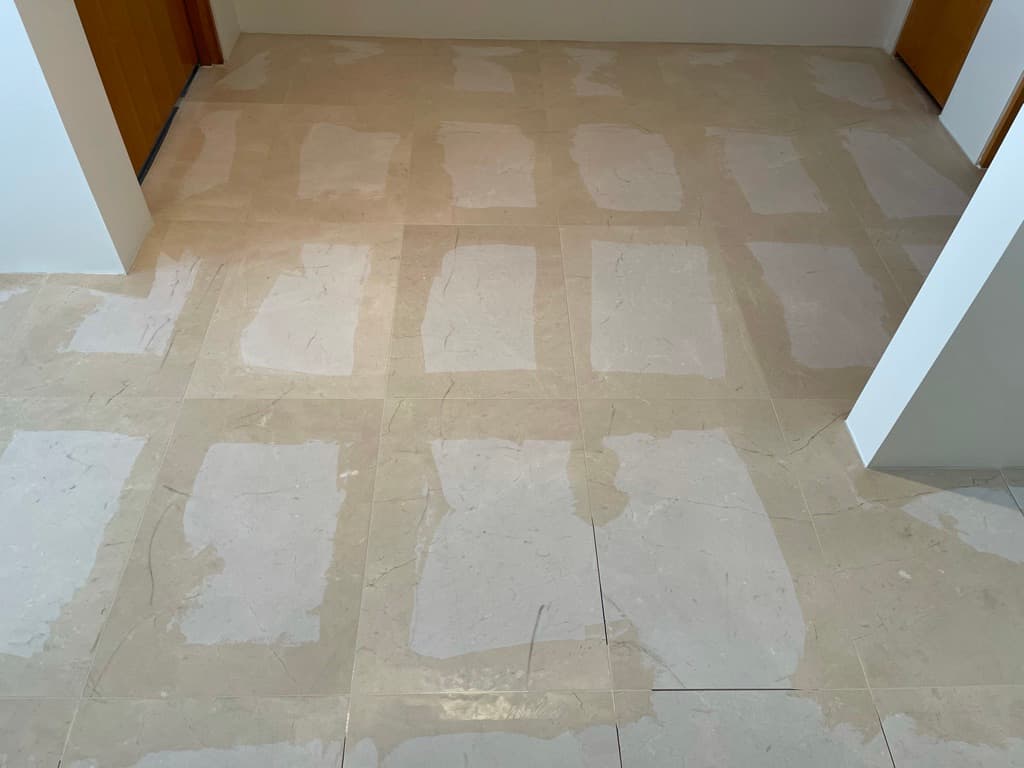
Grout & Joint Restoration
Full-depth joint removal and rebuilding, including epoxy systems. A distinct intervention, not a stage of polishing.
Read more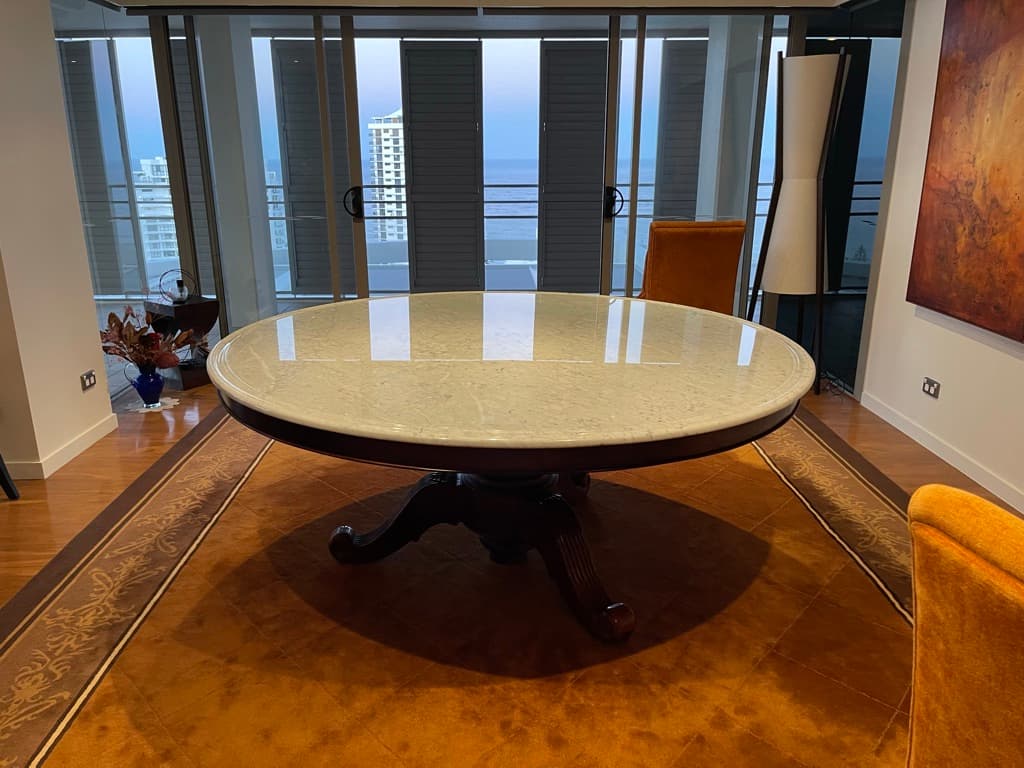
Repairs & Surface Correction
Chips, cracks, holes and lippage. Structural and cosmetic correction of damaged stone rather than replacement.
Read more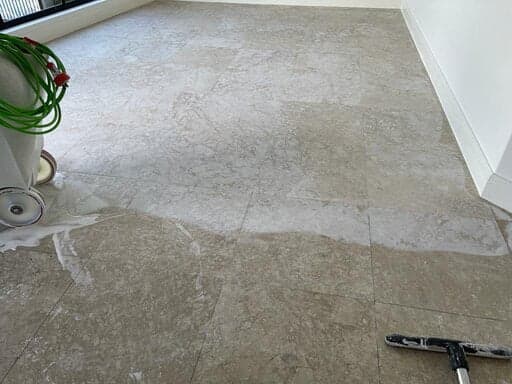
Coating & Sealer Removal
Stripping failed topical coatings, polymer gloss and old sealers back to raw stone so the surface can be read and restored.
Read more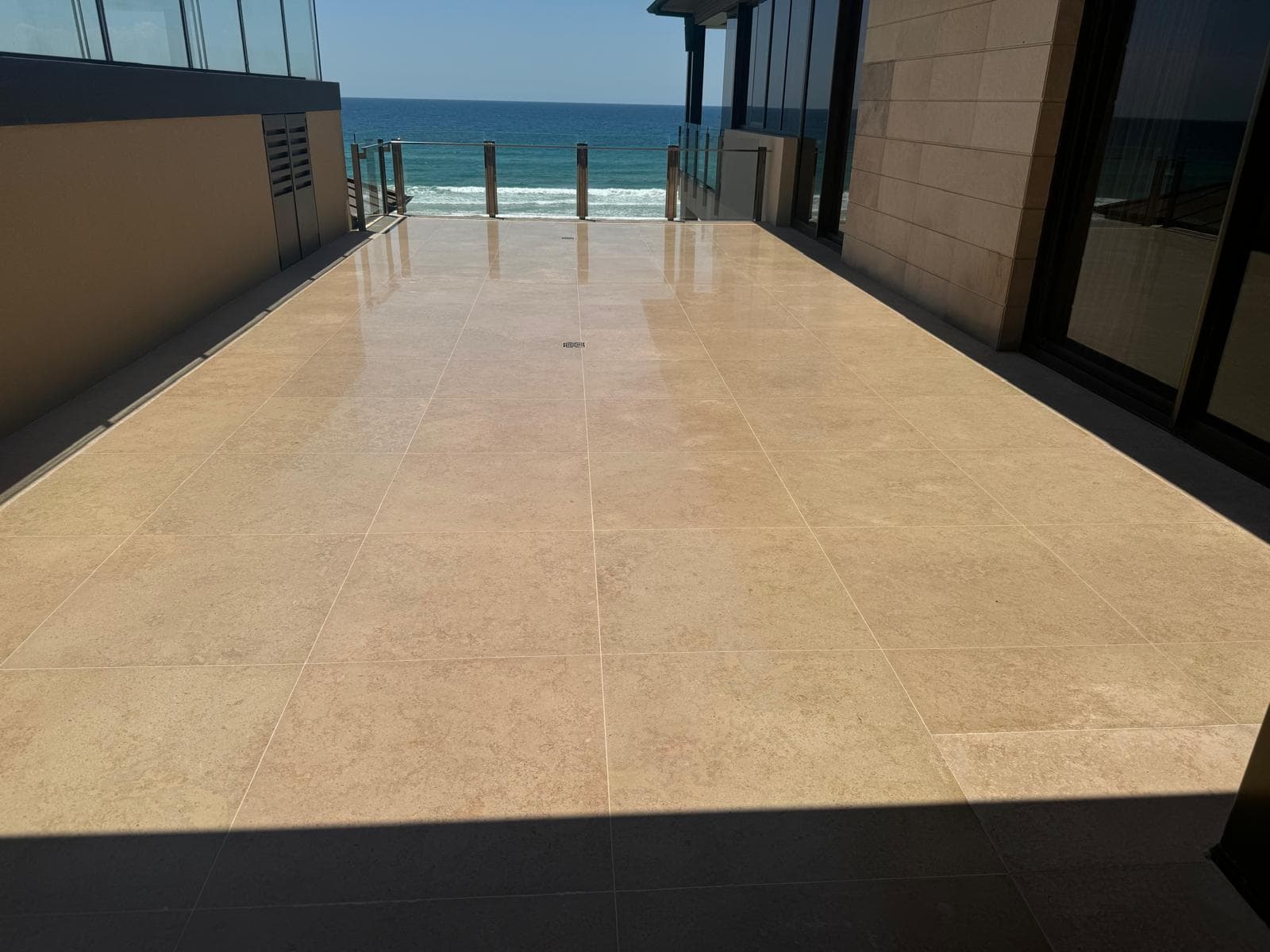
Pool Areas & Outdoor Stone
Coping, paving and alfresco stone exposed to weather, salt and chlorine. Slip resistance matters more than gloss.
Read more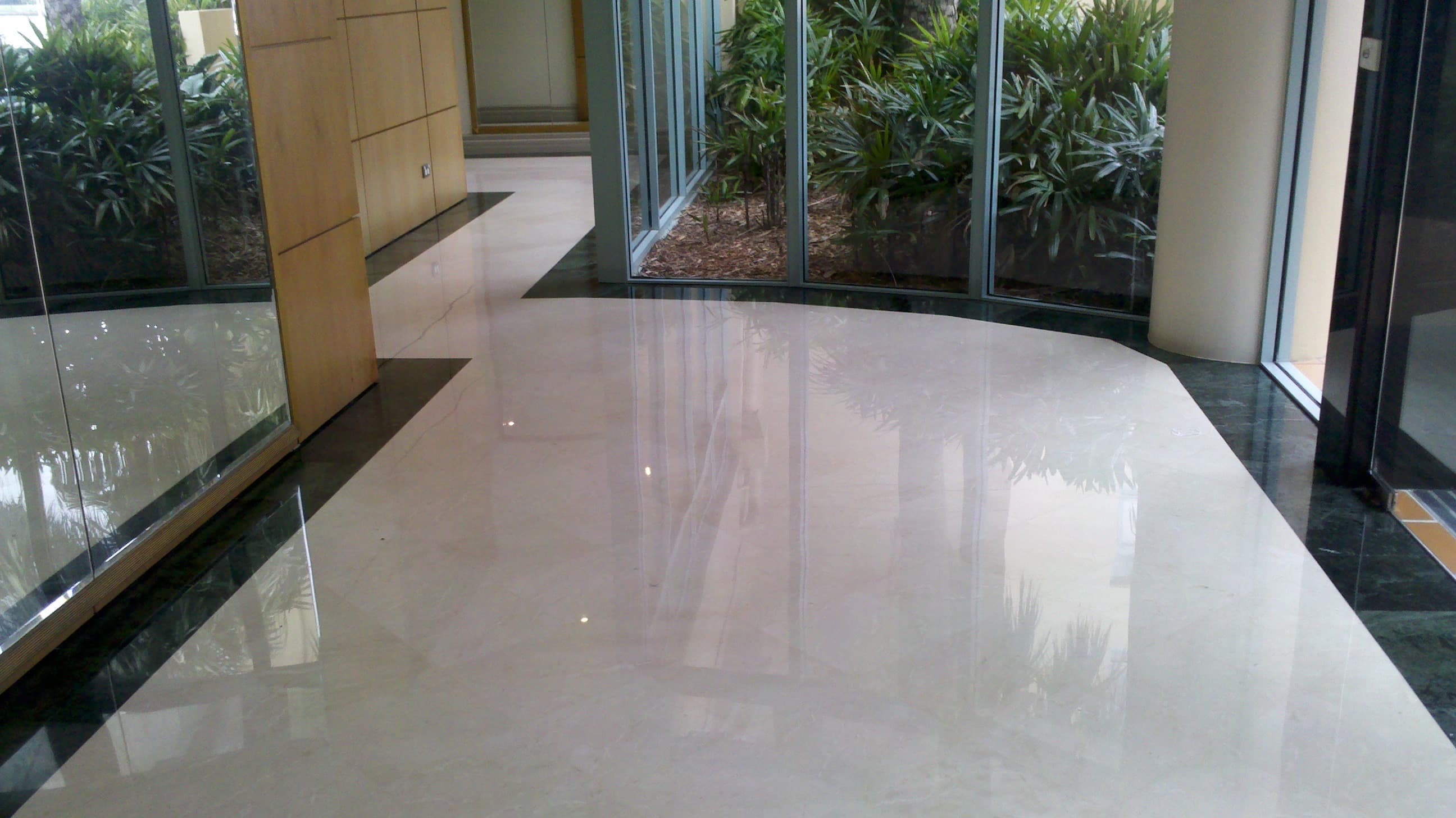
Stairs & Architectural Stone
Treads, risers, nosings and feature stonework. Hand-intensive work where machines cannot reach and edges define the result.
Read more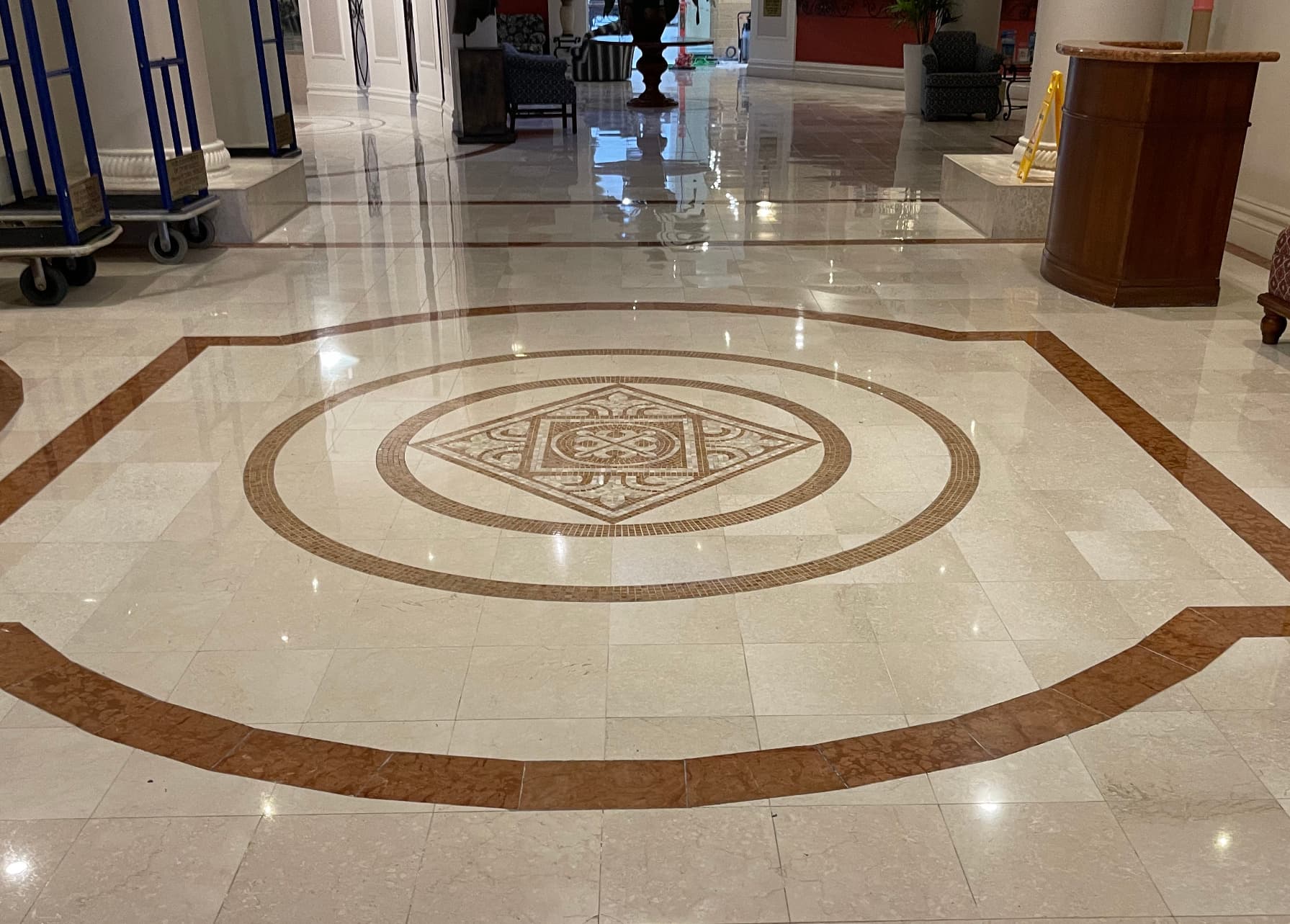
Commercial Restoration
Lobbies, hotels, retail and body-corporate stone. Restored in stages around trading hours and occupied buildings.
Read more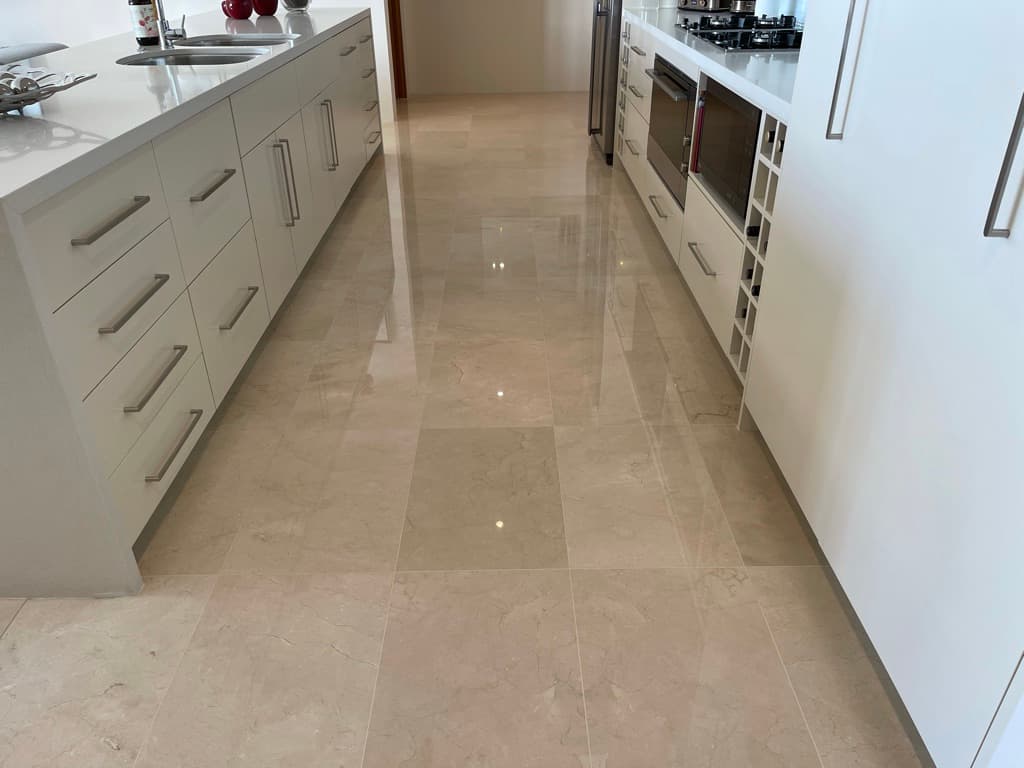
Large Residential
Whole-home and multi-level stone across floors, bathrooms, kitchens and external areas, sequenced as one programme.
Read moreBathrooms & Showers
Wet-area stone, vanities and shower recesses. Where stone damage and failed joints usually arrive together.
Read moreStain Removal
Drawing organic, oil, rust and mineral staining out of the stone rather than sealing it in.
Read more
On method
Why the stages are not listed as services
Nobody wants a ground floor. They want a floor that looks right, and grinding is sometimes how that happens.
Grinding, honing and polishing are progressive stages of a single mechanical process, and which of them a surface needs is decided after looking at it. A floor that is structurally flat may need no grinding at all. A floor buried under a failed coating needs that removed before anyone can even tell what the stone is doing.
Presenting those stages as a menu invites you to order the wrong one. It also implies a fixed sequence that does not survive contact with real stone. The process page explains each stage and, importantly, when it is not needed.
To see what that method does to real surfaces, see stone restoration before & afters.
Have the stone assessed properly
Send photographs and a short description and you will get a straight answer about what the surface needs — including if the answer is that it does not need us.